

Meredythe | April 7, 2026 | Blog

Choosing the best Austin personal injury lawyer can feel overwhelming when you’re already dealing with an injury. At Heaton Injury Law, PLLC, we know that the right attorney and the right personal injury firm for you makes a real difference in your case outcome and recovery process.
This guide walks you through exactly what to look for-from experience and communication style to warning signs that should make you walk away.
What Experience Level Actually Matters
Defense Experience Gives You a Real Advantage
The biggest mistake injured people make when hiring a personal injury lawyer is overlooking litigation experience on both sides of the courtroom. An attorney who has spent years defending insurance companies understands exactly how adjusters think, what tactics they use to minimize payouts, and where they’ll push back hardest. This insider knowledge is worth far more than a lawyer who has only ever represented plaintiffs.
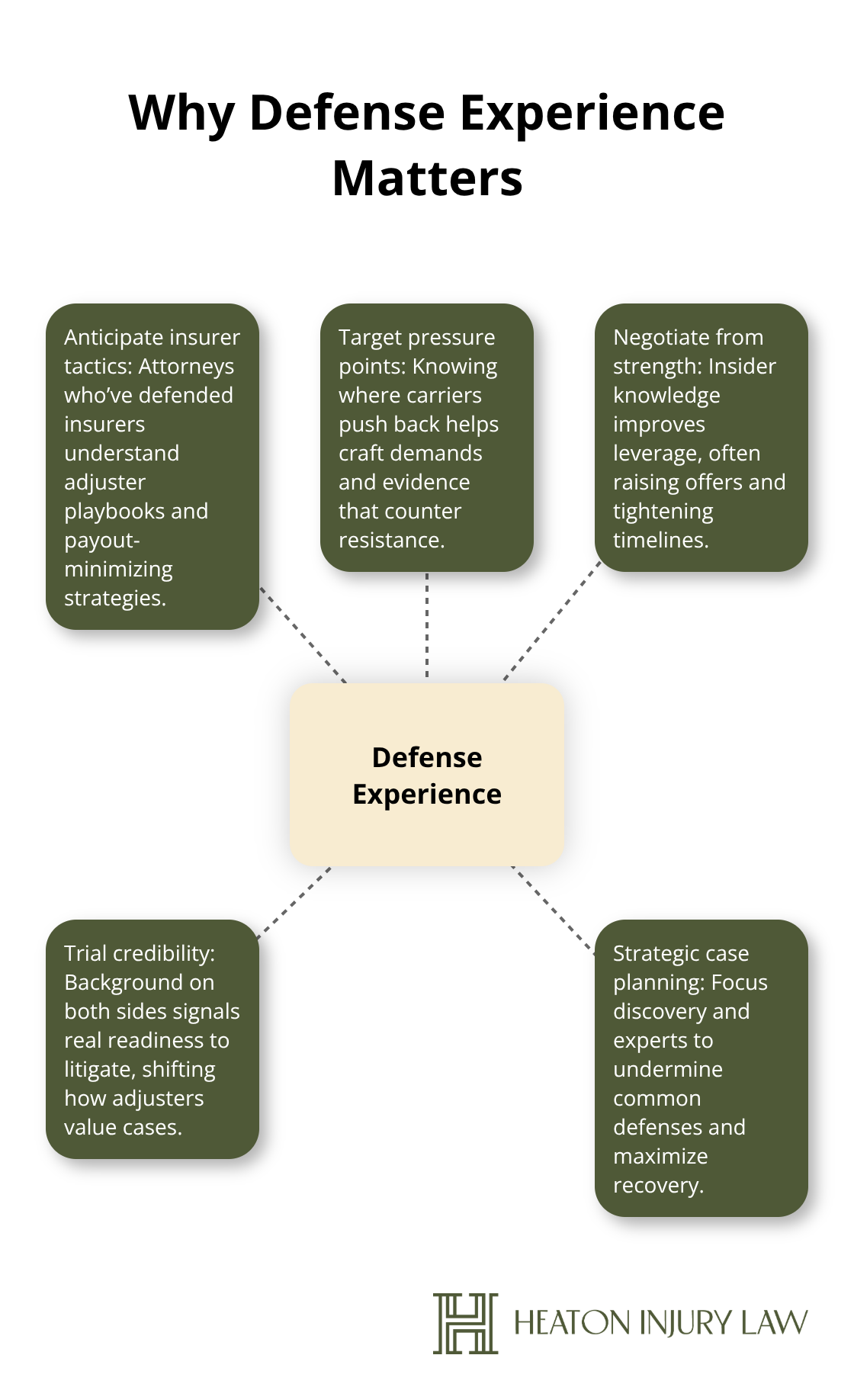
When you evaluate an Austin lawyer, ask directly whether they’ve worked as a defense attorney or insurance counsel. If the answer is no, that’s a significant gap. You want someone who has sat across the table from the people denying your claim and understands their psychology, their pressure points, and their settlement thresholds. At Heaton Injury Law, PLLC, our lead attorney brings 14+ years of experience from both sides of litigation, which means we know the playbook insurers follow and how to counter it effectively.
Look Beyond Vague Claims About Recoveries
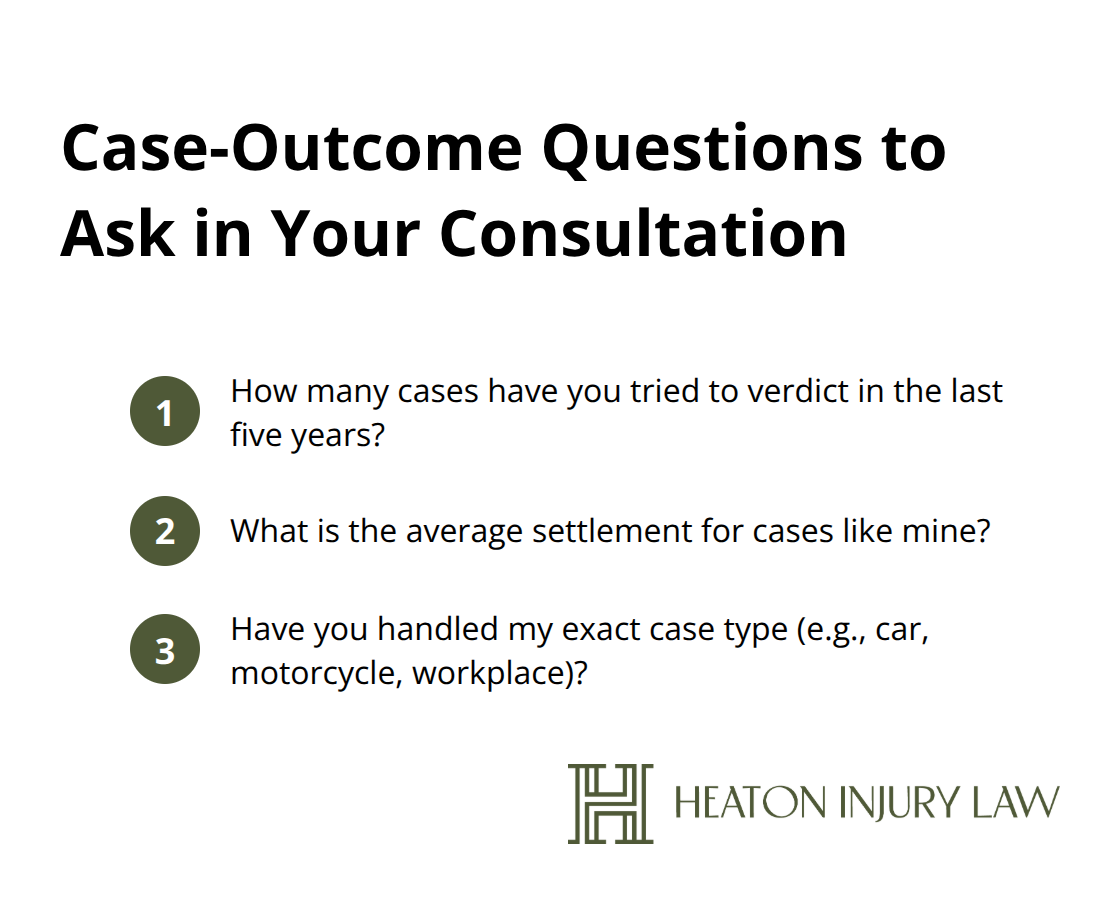
Case outcomes matter, but not in the way most people think. Don’t get distracted by vague claims about millions recovered or hundreds of cases won. Instead, ask for specific numbers: How many cases has this lawyer tried to verdict in the last five years? What was the average settlement amount for cases similar to yours? Did they handle car accidents, motorcycle crashes, workplace injuries, or whatever your situation involves?
A lawyer handling slip-and-fall claims might lack the expertise you need for a catastrophic brain injury case. Specialization within personal injury law is real and measurable. The firm should have a track record with your exact type of claim, whether that’s rideshare accidents, truck collisions, or wrongful death.
Ask the Right Questions During Your Consultation
During your free consultation, ask about recent settlements and trial results in cases matching yours, and don’t accept vague answers. A lawyer confident in their experience will provide concrete examples and explain why those outcomes matter for your specific situation. Request information about how the firm approaches cases like yours-whether they typically settle early or prepare aggressively for trial. This conversation reveals whether the attorney takes a passive approach or fights hard to maximize your recovery. The answers you receive will tell you whether this lawyer has the specialized knowledge and commitment your claim requires.
How Your Lawyer Handles Your Case
Contingency Fees Align Your Interests With Your Lawyer’s
The way a personal injury attorney structures fees reveals whether they’ll fight for maximum recovery or settle quickly. Most Austin lawyers operate on contingency, meaning you pay nothing upfront and they collect a fee only if you win. This arrangement aligns incentives perfectly-your lawyer profits when you recover more, not when they close your file fast.
Ask what percentage they take from your settlement and whether you owe costs like court filing fees, deposition expenses, or expert witness fees if you lose. Some firms charge these costs regardless of outcome, which can add thousands to your bill even without a recovery. Others absorb these expenses as part of their contingency arrangement. The fee structure matters because it determines your actual net recovery and whether the lawyer has financial pressure to settle quickly rather than fight for maximum compensation.
Communication Frequency Separates Advocates From File Managers
Lawyers who genuinely advocate for you maintain regular contact throughout your case. Ask directly how often you’ll receive updates-weekly, monthly, or only when something major happens. Specify your preferred communication method during the consultation: email, phone calls, text messages, or a client portal.
Some Austin lawyers operate with minimal contact until settlement time, leaving you anxious and uninformed. Your attorney should explain the settlement demands they’re making to insurance companies, the reasoning behind those numbers, and why they’re rejecting lowball offers. When your lawyer won’t discuss strategy or keeps you in the dark about negotiations, that’s a red flag signaling they may not be fighting hard enough.
Trial Readiness Requires Aggressive Preparation and Strategy
A trial-ready approach demands constant preparation and communication because cases that might go to court require aggressive discovery, expert coordination, and strategic planning-not passive waiting for the insurer to make an offer. During your consultation, ask about a recent case they handled: What was their opening demand? What did the insurer counter with? How many rounds of negotiation occurred before settlement?
The answers reveal whether this attorney negotiates from strength or accepts whatever the insurance company offers first. A lawyer confident in their trial capabilities pushes harder in settlement negotiations because insurers know the attorney will actually take the case to court if necessary. This willingness to litigate (rather than just threaten it) fundamentally changes how adjusters approach your claim and what they’re willing to pay.
Understanding Cost Responsibility Before You Hire
Before signing any agreement, clarify which party pays for expert witnesses, medical records retrieval, court costs, and investigation expenses. Some firms require clients to pay these costs upfront or reimburse them from the final settlement. Others cover these expenses and deduct them only if you win.
This distinction matters enormously for your finances. A case requiring multiple expert witnesses, imaging analysis, and vocational rehabilitation can cost $10,000 to $50,000 in expenses. Knowing whether you owe these costs regardless of outcome helps you make an informed decision about representation and prevents financial surprises down the road.
Evaluating Settlement Pressure and Negotiation Strength
Insurance companies test every lawyer’s resolve by making lowball offers early in the process. A strong attorney rejects these offers confidently and explains why your claim is worth significantly more. During your consultation, ask how the firm approaches settlement negotiations and at what point they typically resolve cases.
Lawyers who settle most cases within months of filing may lack trial experience or confidence. Those who prepare aggressively for trial and only settle when the insurer meets reasonable demands tend to recover more for their clients. The firm’s willingness to invest time and resources in preparation signals whether they view your case as a quick payday or a serious claim deserving maximum effort.
Red Flags to Avoid When Choosing a Personal Injury Lawyer
Pressure to Accept Quick Settlements
Insurance companies count on injured people accepting the first settlement offer, which typically arrives within weeks of filing a claim. When a lawyer pushes you to take this money immediately, they signal that they lack either the confidence or willingness to negotiate harder. An attorney truly advocating for you will explain why the initial offer falls short, what your claim is actually worth based on comparable cases, and why waiting for maximum medical improvement matters before finalizing any settlement.
Lack of Trial Experience or Willingness to Go to Court
Trial readiness separates lawyers who negotiate from strength versus those who fold under pressure.
Insurance adjusters know which attorneys will actually litigate and which ones will cave when a trial date approaches. They offer substantially more money to lawyers with proven trial records because the risk of a jury verdict exceeds their settlement authority. Conversely, lawyers without trial experience face constant pressure to settle.
Additionally, fee arrangements that seem unusually low compared to other firms sometimes indicate a lawyer compensating for lower recoveries by handling high volume with minimal effort per case. Standard contingency fees in Texas range from 33 to 40 percent depending on whether the case settles before or after filing suit. If a lawyer quotes significantly below market rates, question whether they cut corners on preparation or settlement negotiations to maintain profitability.
Unclear Fee Arrangements or Hidden Costs
Hidden costs emerge after you sign the retainer agreement, leaving you shocked when the final settlement arrives thousands of dollars lower than expected. Some firms list deposition costs, expert witness fees, court filing charges, and medical records retrieval as client expenses due regardless of case outcome. This means if your case settles for $50,000 but expenses total $8,000, you receive only $42,000 minus the attorney’s contingency fee and repayment of medical bills.
Worse, if your case loses, you may owe those $8,000 in costs on top of receiving nothing for your injury. Before hiring any lawyer, request a written explanation of which expenses you’ll pay upfront, which are deducted from settlement, and which the firm absorbs. A truly client-focused attorney covers most investigative and expert costs as part of their contingency arrangement, understanding that injured clients often lack resources to fund expensive litigation.
Ask whether the firm requires retainer fees, charges for phone calls or emails, or bills hourly for administrative work. Any unexpected charges signal a firm more focused on nickel-and-diming clients than maximizing their recovery.
Final Thoughts
The best Austin personal injury lawyer combines specialized experience on both sides of the courtroom, transparent communication, and genuine commitment to maximizing your recovery. Local representation matters significantly in Austin because your attorney needs familiarity with Travis County procedures, local court judges, and how insurance adjusters in your area typically respond to settlement demands. This local knowledge translates directly into better negotiating positions and more realistic expectations about your case timeline and potential recovery.
Finding the best Austin personal injury lawyer requires asking specific questions during your free consultation and evaluating answers carefully. Request concrete examples of recent cases matching yours, clarify the fee structure and cost responsibilities, and assess whether the attorney communicates regularly and prepares aggressively for trial. Trust your instincts about whether this lawyer genuinely listens to your situation or treats you as another file number.
At Heaton Injury Law, PLLC, we handle car accidents, motorcycle crashes, truck collisions, traumatic brain and catastrophic injuries, rideshare accidents, slip-and-fall claims, workplace injuries, and wrongful-death cases. Our lead attorney brings 14+ years of experience from both sides of litigation, meaning we understand insurer tactics and negotiate from genuine trial readiness. Contact us for a free consultation to discuss your claim and determine whether we’re the right fit for your situation.
The information provided in this blog is for general informational purposes only and does not constitute legal advice. Every case is unique, and laws may vary by jurisdiction. Reading this content does not create an attorney-client relationship. For guidance specific to your situation, please consult with a qualified personal injury attorney licensed in Texas.
Artificial intelligence may have been used to assist in generating some text or images in these articles.