

Meredythe | July 8, 2026 | Blog
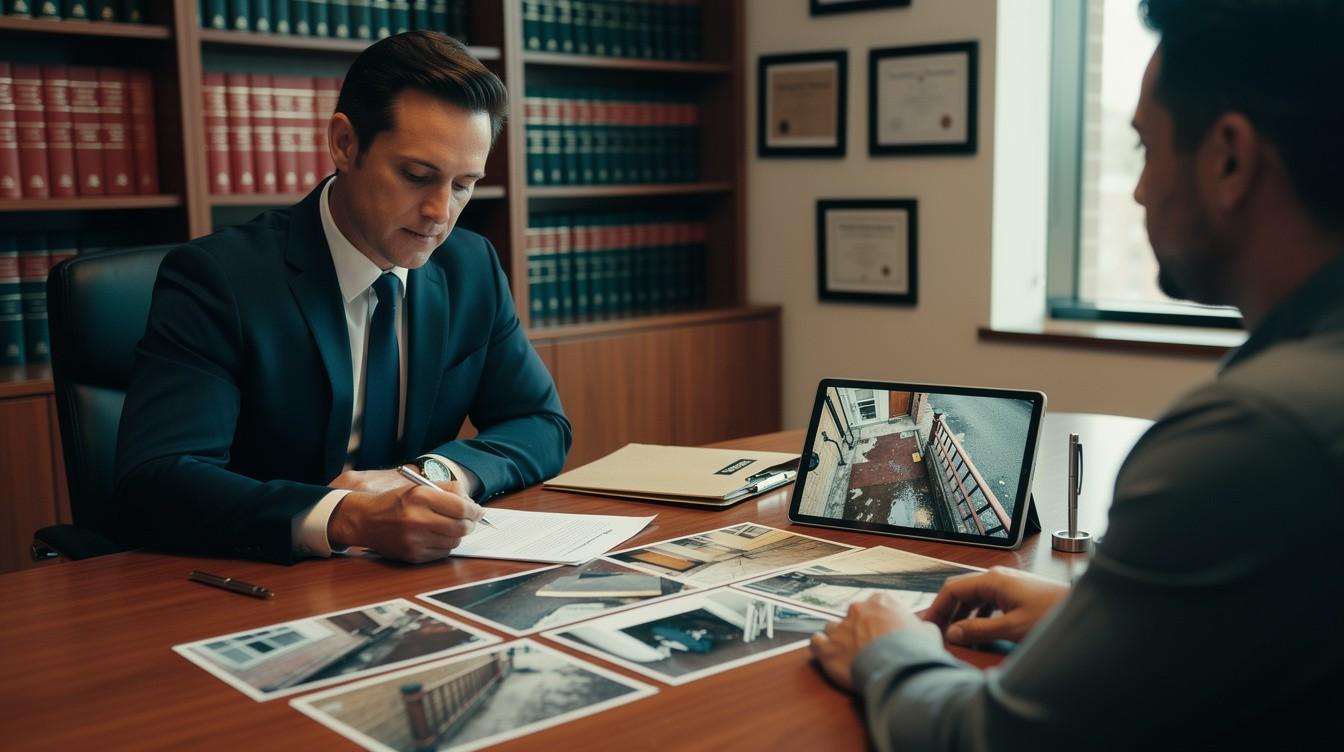
Property owners in Austin have a legal duty to keep their premises safe. When they fail to maintain their property or warn visitors about dangers, injuries happen-and you may have a right to compensation.
At Heaton Injury Law, PLLC, we help injured Texans understand premises liability claims and hold negligent property owners accountable. This guide explains what constitutes premises liability under Texas law and how to build a strong case.
What Premises Liability Actually Means in Texas
How Texas Law Defines Property Owner Responsibility
Texas law holds property owners accountable when they fail to maintain safe conditions or warn visitors about known dangers. Premises liability isn’t about holding owners responsible for every accident-it’s about proving they knew or should have known about a specific hazard and did nothing to fix it or warn people away. The Texas Supreme Court’s 2024 decision in Albertsons, LLC v. Mohammadi reinforced this standard by requiring actual knowledge of the dangerous condition at the time of injury, not just evidence of a prior related problem. This means a wet floor from a leaking bag hours earlier doesn’t automatically prove the owner knew about that specific puddle when you slipped. What matters is concrete evidence that the hazard existed when you were injured.
The Hierarchy of Duty Based on Visitor Status
Property owners owe different levels of duty depending on who’s on their property. Business invitees-customers at a store or restaurant-receive the highest protection; owners must inspect regularly and fix hazards promptly. Licensees like social guests receive a lower standard; owners must warn about known dangers but aren’t required to search for hidden problems. This hierarchy directly affects what you need to prove in a claim.
Common Hazards That Trigger Liability
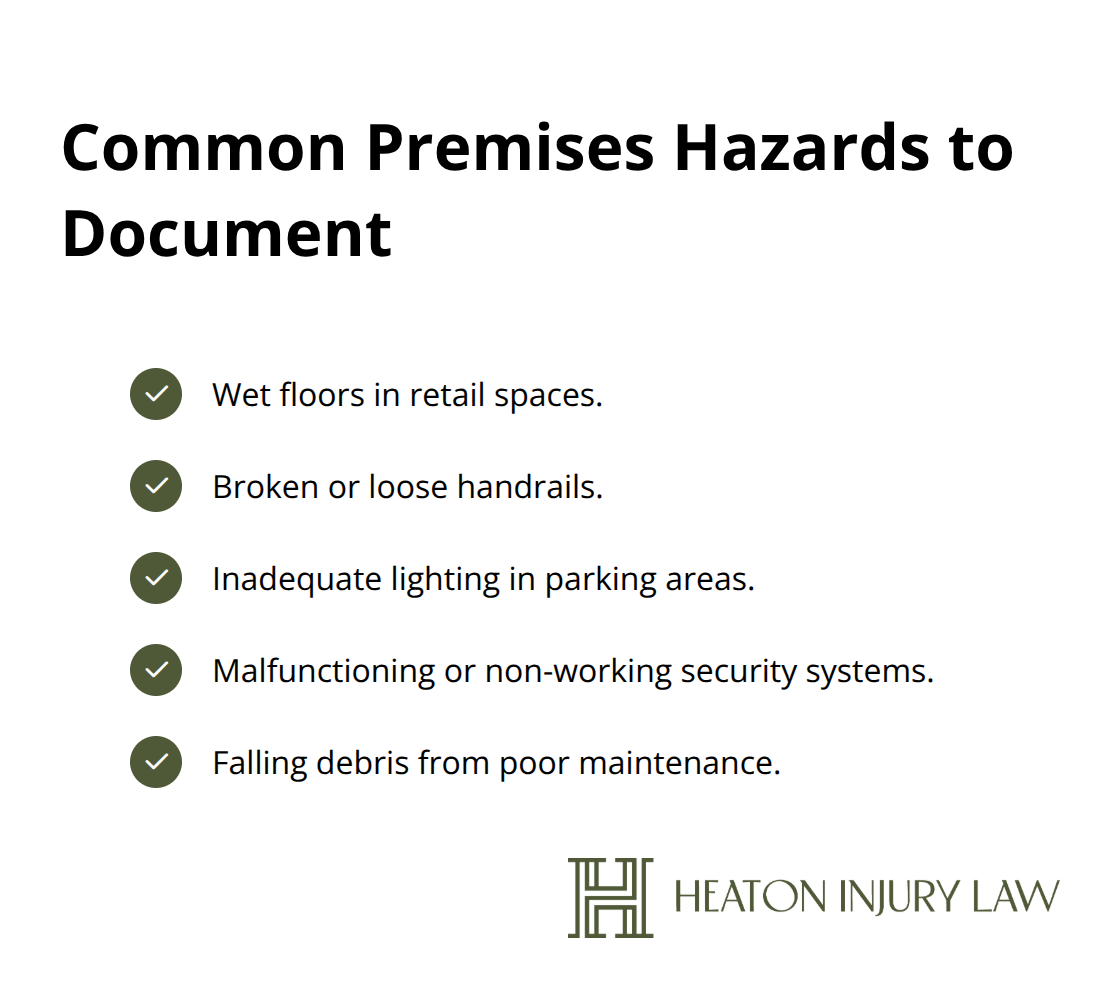
Common hazards leading to valid claims include wet floors in retail spaces, broken handrails, inadequate lighting in parking areas, malfunctioning security systems, and falling debris from poor maintenance. The key is showing the owner either knew about the condition or should have discovered it through reasonable inspections. Documentation matters enormously here-maintenance logs, repair requests, prior complaints, and incident reports all demonstrate whether an owner was aware of recurring problems.
The Four Elements You Must Prove
Negligence on someone else’s property requires proving four elements: the owner had actual or constructive knowledge of the danger, the condition posed an unreasonable risk of harm, the owner failed to exercise reasonable care to fix or warn about it, and this failure directly caused your injury. Constructive knowledge means the hazard was obvious enough that a reasonable property manager would have found it during normal inspections. For commercial properties especially, regular documented inspections become your strongest evidence-they show what the owner should have known. If a property owner’s inspection records are missing or incomplete, that gap itself suggests negligence in a busy retail or apartment complex.
Building Your Evidence Foundation
Time-stamped photographs of the exact hazard, witness statements about how long the condition existed, and security footage showing the owner’s failure to address it are powerful evidence. In Austin’s commercial districts, slip-and-fall claims often succeed when businesses cannot produce inspection logs showing they checked floors during peak hours. Inadequate security claims hinge on foreseeability; if crime data, 911 calls, or prior incidents at a location show a pattern of robberies or assaults, the owner should have installed better lighting, working cameras, or access controls. Police reports and crime statistics specific to the property’s neighborhood strengthen these arguments significantly. The difference between a weak claim and a strong one often comes down to whether you collected evidence immediately after the injury-photos of the hazard, witness contact information, the property’s condition, and any visible safety failures all preserve your case and set the stage for what comes next.
What Injuries Qualify as Premises Liability Claims
Slip-and-Fall Accidents in Retail and Commercial Spaces
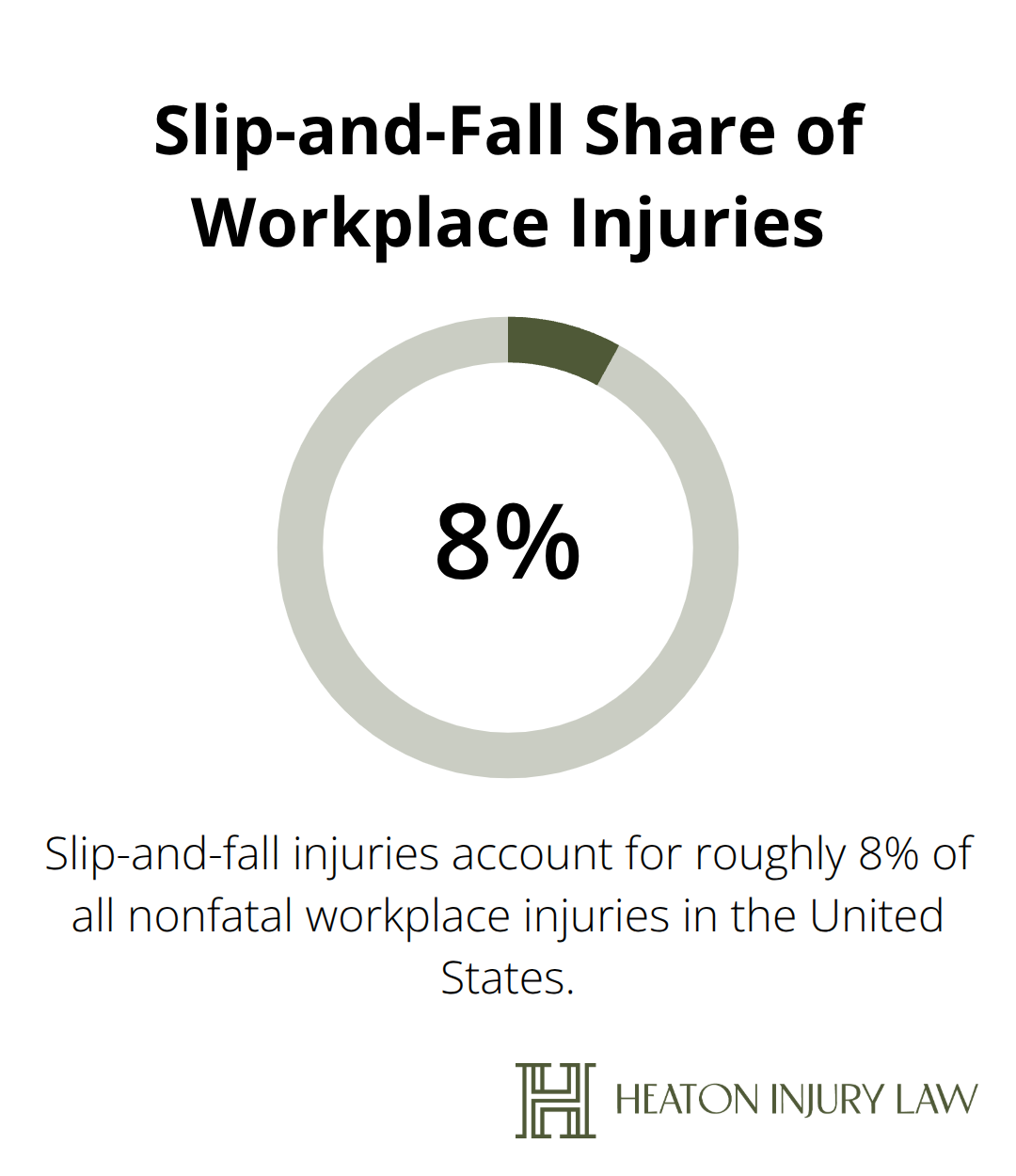
Slip-and-fall accidents dominate premises liability claims across Austin’s retail and commercial districts, yet they represent only one category of recoverable injuries. A customer slips on a wet floor at a grocery store, a shopper trips over torn carpeting in a mall corridor, or an employee falls on an unmarked step-all constitute actionable claims if the property owner failed to maintain safe conditions or post warnings. The National Floor Safety Institute reports that slip-and-fall injuries cost American businesses over $70 billion annually and account for roughly 8 percent of all nonfatal workplace injuries. What matters in your case is whether the owner conducted regular floor inspections, whether staff followed protocols to clean spills immediately, and whether incident reports document prior similar hazards at the location.
Retail businesses in high-traffic areas should inspect floors every two hours during peak shopping times; if they cannot produce inspection logs showing this standard practice, their negligence becomes evident.
Inadequate Security and Foreseeable Crime
Inadequate security at apartment complexes, parking garages, hotels, and retail locations creates liability when property owners fail to prevent foreseeable crimes like assault or robbery. If a complex experiences multiple break-ins, robberies, or violent incidents, the owner’s duty to install working surveillance cameras, adequate lighting, secure access controls, and functioning alarm systems strengthens considerably. Crime data from the Austin Police Department or neighborhood crime statistics directly support your claim by showing the owner should have anticipated criminal activity. Non-functioning security measures-broken cameras, burned-out exterior lights, malfunctioning gate locks, or disabled alarm systems-constitute direct evidence of negligence.
Defective Structural Conditions and Maintenance Failures
Defective structural conditions like broken stair railings, crumbling concrete steps, falling ceiling tiles, or deteriorating balconies cause serious injuries and represent clear liability when maintenance records show the owner knew about the problem. Documentation proves negligence: maintenance requests that went unfixed, contractor estimates sitting in files, tenant complaints logged months before your injury, or repair invoices showing the owner finally fixed the hazard after your accident all establish the owner’s awareness and delay. Property owners cannot claim ignorance when their own records reveal they received notice of dangerous conditions and postponed repairs.
How Evidence Reveals Owner Knowledge
The strength of your claim hinges on what the owner’s own records reveal about their knowledge and response time. Maintenance logs, work orders, and inspection records show exactly when the owner became aware of dangerous conditions and how long they delayed repairs. When property managers fail to document inspections or maintenance activities, that absence of records itself suggests negligence-especially in busy retail or apartment complexes where regular upkeep is standard practice. The gap between when a hazard first appeared and when the owner finally addressed it (or failed to address it) transforms your case from uncertain to provable.
Building Your Case Through Documentation
Time-stamped photographs of the exact hazard, witness statements about how long the condition existed, and security footage showing the owner’s failure to address it are powerful evidence. Police reports and crime statistics specific to the property’s neighborhood strengthen inadequate security claims significantly. The difference between a weak claim and a strong one often comes down to whether you collected evidence immediately after the injury-photos of the hazard, witness contact information, the property’s condition, and any visible safety failures all preserve your case. These details set the foundation for proving what the owner knew, when they knew it, and what they failed to do about it, which directly determines whether you can recover damages for your injuries.
Building Your Case Right After the Injury Happens
Secure Evidence Before It Disappears
The moment you suffer an injury on someone else’s property, evidence starts disappearing. Spills get cleaned, hazards get fixed, security footage gets overwritten, and witnesses move on with their lives. Your actions in the first hours and days after an injury determine whether you’ll have a winnable case or scattered fragments that insurance companies can easily dismiss. Call 911 if you’ve suffered a serious injury; the police report creates an official record with timestamps, officer observations, and initial scene documentation that later becomes invaluable. Photograph the exact hazard from multiple angles, capture the surrounding area to show lighting conditions and warning signs that weren’t posted, and photograph your injuries before they heal.
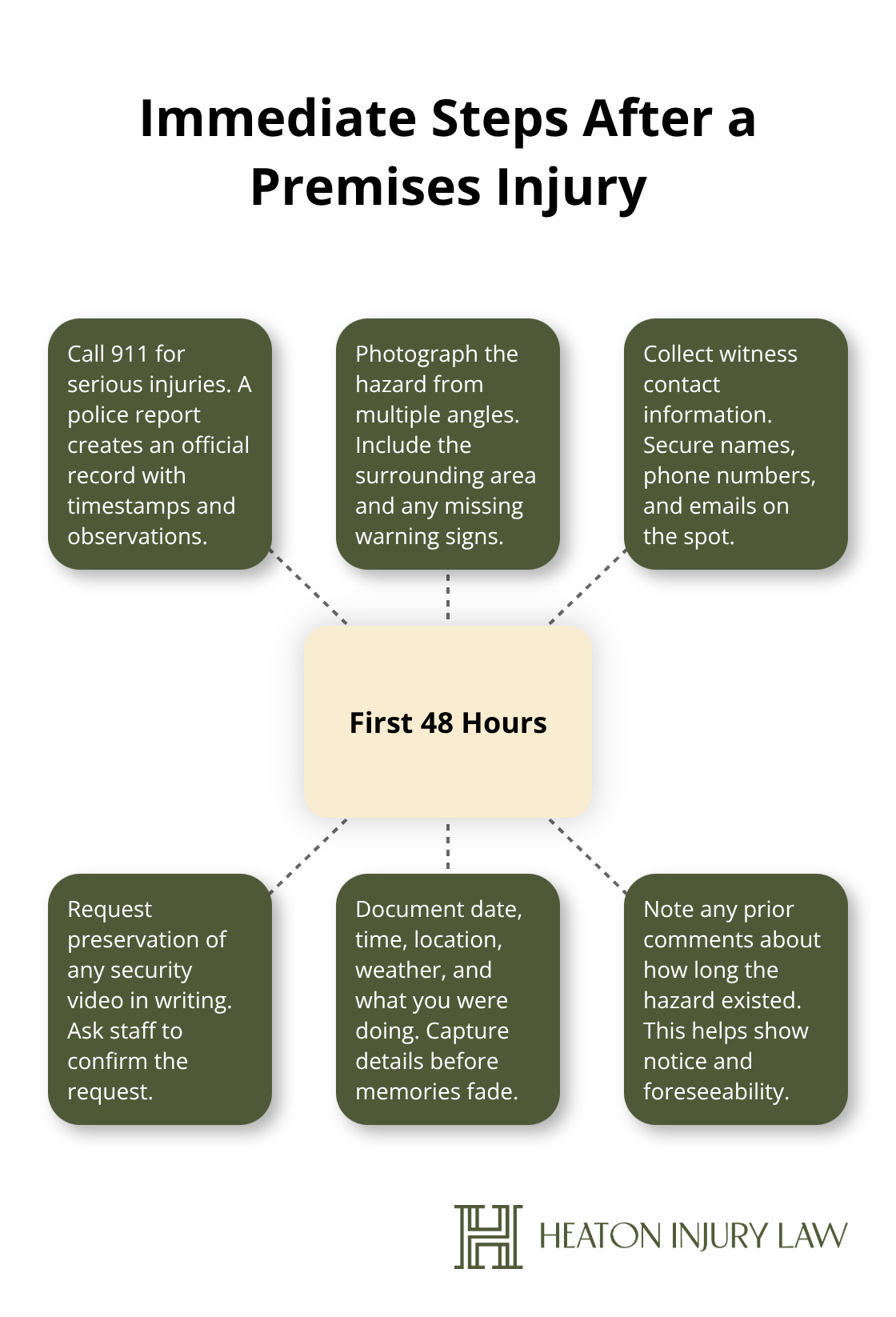
Collect the names, phone numbers, and email addresses of every witness who saw what happened or can testify about the condition’s duration.
Preserve Video and Written Records Immediately
If security cameras exist, request that the property owner preserve all footage and ask a staff member to confirm this preservation request in writing; the longer you wait, the greater the risk that routine video recycling destroys evidence. Document the date, time, location, weather conditions, and what you were doing when injured. Write down what you remember about the hazard’s appearance, whether you received warnings, and what other people said about how long the problem had existed. This immediate documentation becomes your foundation because property owners and their insurers will later claim conditions were different, that you weren’t paying attention, or that the hazard appeared suddenly and without warning.
Establish a Pattern of Owner Negligence
Proving the property owner knew or should have known about the danger requires showing a pattern of negligence rather than a single incident. Request maintenance records, inspection logs, work orders, and repair invoices from the property owner through your attorney; these documents reveal whether staff discovered the hazard previously, received complaints about similar conditions, or postponed repairs for weeks or months. If the owner’s inspection records are sparse or missing entirely, that absence itself demonstrates negligence in a busy commercial space where regular checks are industry standard. For slip-and-fall claims, the National Floor Safety Institute’s research shows that retail businesses experience an average of one slip-and-fall incident per 1,250 square feet annually, meaning high-traffic stores should have rigorous inspection protocols documented in writing.
Use Crime Data and Security Failures to Prove Foreseeability
For inadequate security claims, obtain crime statistics from the Austin Police Department for the specific property address and surrounding neighborhood; if prior robberies, assaults, or break-ins occurred there, the owner’s failure to install working cameras, adequate lighting, or access controls becomes indefensible. Subpoena 911 call logs and police reports filed at the property within the previous two years to establish foreseeability. If the owner installed security measures only after your injury, request documentation showing when cameras, lights, or locks were added; this reactive improvement strongly suggests the owner recognized the prior danger. Expert opinions from security consultants or maintenance professionals carry significant weight because they testify that industry standards required specific precautions the owner failed to implement.
Deploy Expert Analysis and Documentation Strategy
Insurance companies will argue the owner couldn’t possibly have known about the condition, which is precisely why contemporaneous evidence gathered immediately after your injury becomes your most persuasive weapon against those tactics. Expert witnesses strengthen your case substantially by establishing what industry standards required and what the owner should have done. Maintenance professionals can review inspection schedules and repair records to show whether the owner met basic safety standards. Security experts can analyze crime patterns and demonstrate that the property owner should have anticipated criminal activity based on prior incidents. These professional opinions transform scattered evidence into a coherent narrative that proves negligence through the lens of industry practice and reasonable expectations.
Final Thoughts
Insurance companies deploy predictable tactics to minimize payouts-they’ll claim the hazard was obvious, that you weren’t paying attention, or that your own negligence contributed to the injury. Texas comparative negligence law allows insurers to reduce your recovery by your percentage of fault, which means they’ll aggressively argue you bear partial responsibility even when evidence clearly shows the property owner’s negligence. Without an experienced advocate, you’ll face skilled adjusters trained to exploit gaps in your evidence or misunderstandings of Texas law, and they’ll offer quick settlements far below what your case is worth.
An Austin premises liability attorney levels the playing field by understanding insurer tactics and building cases that survive aggressive defense strategies. We at Heaton Injury Law, PLLC bring experience on both sides of litigation, giving us insider knowledge of how insurance companies evaluate claims and what evidence they cannot overcome. When insurers know your case is prepared for court and you’re willing to present evidence before a jury, settlement offers improve dramatically because juries understand that property owners have a responsibility to maintain safe premises.
We handle premises liability claims on contingency, meaning you pay nothing unless we recover compensation for you. We gather expert testimony, subpoena maintenance records and crime data, preserve security footage, and build narratives that prove what the property owner knew and when they knew it. Contact us for a case evaluation and learn how we can hold negligent property owners accountable for your injuries.
The information provided in this blog is for general informational purposes only and does not constitute legal advice. Every case is unique, and laws may vary by jurisdiction. Reading this content does not create an attorney-client relationship. For guidance specific to your situation, please consult with a qualified personal injury attorney licensed in Texas.
Artificial intelligence may have been used to assist in generating some text or images in these articles.