

Meredythe | November 5, 2026 | Blog

Company vehicle crashes create complex legal situations for both employees and employers. When you’re injured while driving for work, understanding your rights and protections becomes essential.
At Heaton Injury Law, PLLC, we help injured workers navigate these claims and recover the compensation they deserve. This guide covers what happens after a company vehicle accident and when you need a company vehicle crash attorney.
What Counts as a Company Vehicle Accident
A company vehicle accident isn’t always straightforward to define, and that’s where injured workers get confused about their legal options. The definition matters because it determines whether you can file a workers’ compensation claim, pursue a third-party lawsuit, or both. Texas courts recognize company vehicle accidents as any collision or injury that occurs while you operate a vehicle for work-related purposes, but the specifics depend on several factors that directly affect your case.
Crashes During Work Hours and Commutes
Crashes during work hours are the obvious cases, but many employees don’t realize that accidents on the way to or from work often count as company vehicle incidents. If your employer required you to travel to a client meeting, pick up supplies, or respond to an emergency, that journey falls under work duties. However, your typical commute to the office generally doesn’t qualify, even if you work there. The distinction matters because work-related vehicle crashes create significant financial and safety concerns for employers. If your accident happens while you perform job duties, you have stronger ground for a workers’ compensation claim. Some employers require employees to drive personal vehicles for work tasks, and those accidents still count as company vehicle incidents for legal purposes. You should document the purpose of your trip immediately after an accident occurs, including any texts, emails, or supervisor communications that confirm work-related travel.
Accidents Involving Company-Owned Vehicles
When you drive a company-owned vehicle, your employer carries significant liability responsibility. Texas law requires commercial auto insurance for company vehicles, and most policies cover employee injuries sustained during work duties. The policy limits vary widely, but adequate coverage protects both employers and employees from catastrophic losses. If the accident resulted from vehicle maintenance failures (such as faulty brakes or worn tires), your employer’s liability increases substantially. You have the right to investigate whether the vehicle received proper maintenance and inspections before the crash. Many employees don’t realize they can request maintenance records and inspection logs as evidence of employer negligence. Some employers falsely assume that workers’ compensation is their only exposure, but if negligence caused the accident, you may pursue additional damages through a third-party claim against your employer or their insurance carrier.
Liability When Using Personal Vehicles for Business
Using your own vehicle for work creates murky legal territory that catches many Texas workers off guard. When your employer requires or permits you to use your personal vehicle for job duties, accidents during those trips qualify as work-related incidents. Your personal auto insurance typically excludes business use, which means coverage gaps exist. Your employer’s commercial liability policy may cover you in this situation, but only if you act within the scope of employment. You should contact your employer’s insurance company immediately after an accident to report that the vehicle was being used for business purposes. This notification protects your claim and prevents the insurer from later denying coverage based on undisclosed business use. Employers sometimes deny responsibility for accidents involving personal vehicles, claiming the employee was off the clock or acting independently. That’s why documenting the work-related nature of your trip becomes critical evidence in your case-and why understanding your employer’s responsibilities matters for your next steps.
What You Can Recover After a Company Vehicle Crash
Workers’ Compensation and Its Limitations
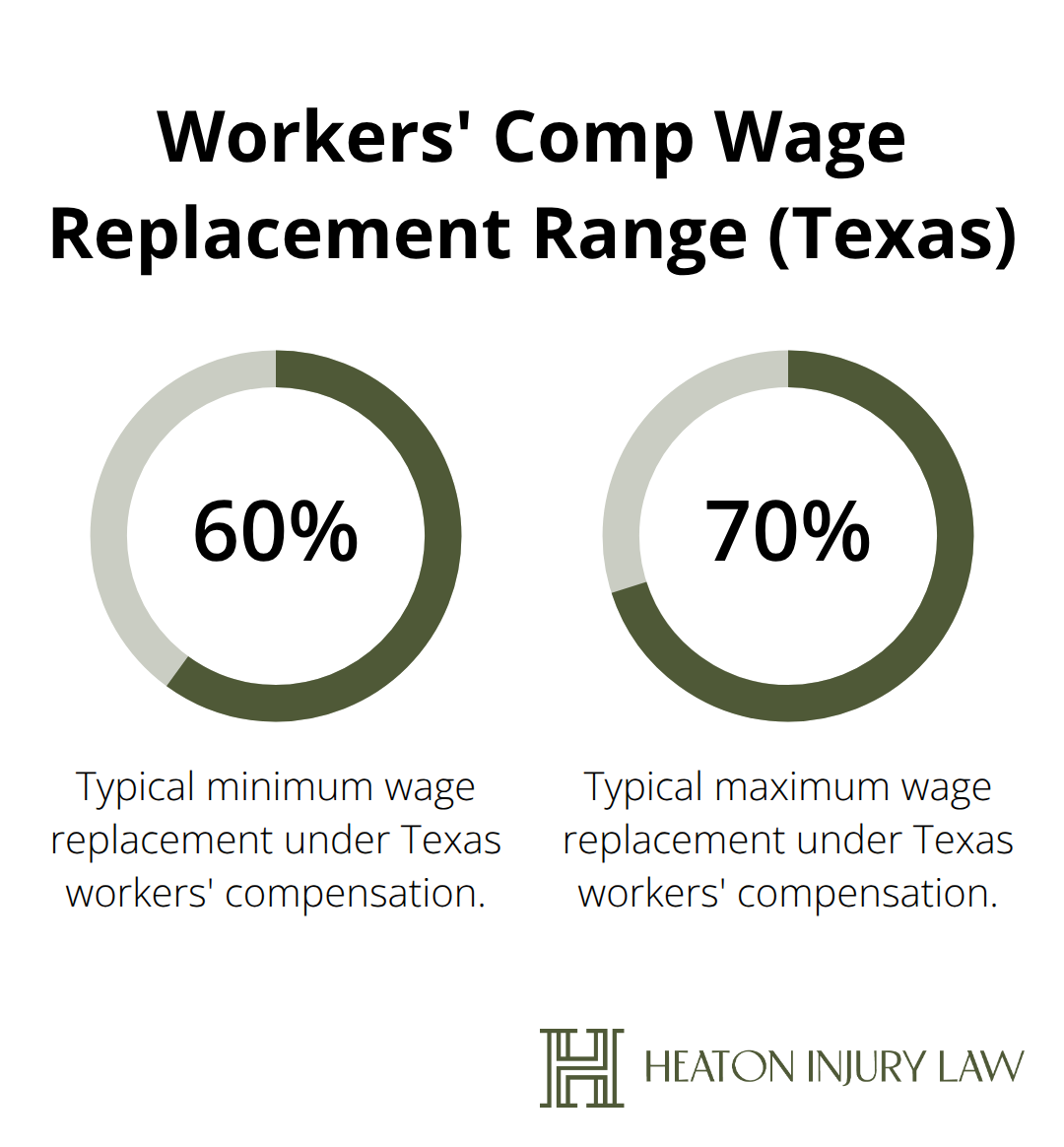
After a company vehicle crash, Texas law gives you multiple pathways to compensation, and most injured workers pursue only one when they should explore both. Workers’ compensation provides immediate medical coverage and wage replacement, typically covering 60-70% of your average weekly wage up to the state’s maximum of $1,067.50 per week as of 2026. However, workers’ compensation has a major limitation: it caps non-economic damages and doesn’t compensate you for pain and suffering.
This gap leaves many injured workers significantly undercompensated for their actual losses.
Third-Party Claims Against Responsible Parties
Third-party claims become essential when workers’ compensation alone won’t cover your full damages. If another driver caused the accident, that driver’s insurance should cover your full damages beyond workers’ compensation limits. If your employer’s negligence contributed to the crash-say, they failed to maintain the vehicle or pressured you to drive in dangerous conditions-you can file a third-party claim against your employer’s commercial liability policy. Texas courts have awarded significant settlements in cases involving employer negligence, with awards often exceeding $100,000 when vehicle maintenance failures or unreasonable work demands played a role.
Stacking Claims for Maximum Recovery
You can stack these claims, meaning workers’ compensation and third-party recovery aren’t mutually exclusive. Document everything immediately: photos of vehicle damage, road conditions, maintenance records you can access, and any communications from your employer about the vehicle’s condition. Your employer’s insurance company will investigate aggressively, so having detailed evidence strengthens your position significantly. Filing these claims simultaneously requires careful coordination because insurance adjusters look for reasons to minimize payouts.
Protection Against Retaliation
Many Texas workers face retaliation or hostile treatment after filing claims, which is illegal under Texas Labor Code Section 451. Your employer cannot legally fire you, demote you, reduce your hours, or cut your pay because you filed a workers’ compensation claim or pursued a third-party lawsuit. If retaliation occurs, you have grounds for an additional claim against your employer. The burden of proof shifts to your employer to show they had legitimate reasons for adverse employment actions taken within 90 days of your claim filing. One Dallas worker was reassigned to a physically demanding role after reporting a work-related injury, a clear violation that resulted in a successful retaliation claim. Report any suspicious employment changes to your workers’ compensation carrier immediately and gather documentation including emails, witness statements, and performance records.
Navigating Complex Multi-Layered Claims
Pursuing only workers’ compensation often leaves injured workers thousands of dollars short of what they actually deserve. The coordination between multiple claims requires strategic planning and careful attention to deadlines and procedural requirements. Understanding your full range of recovery options positions you to maximize what you receive and hold all responsible parties accountable for their actions.
Employer Responsibilities and Insurance Coverage
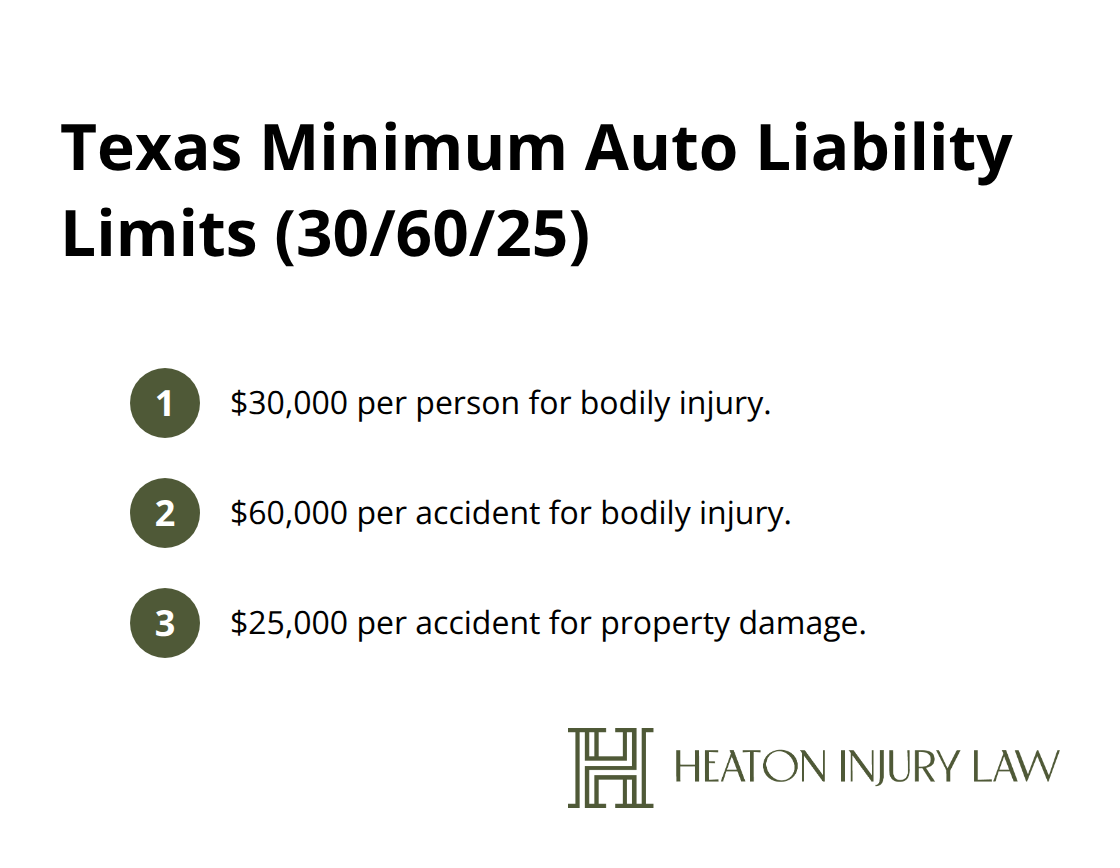
Texas employers operating vehicles for business purposes face specific legal obligations that directly affect your recovery options after a crash. Commercial auto insurance isn’t optional-it’s required by state law, and the Texas Transportation Code mandates coverage minimums of 30/60/25, meaning $30,000 per person for bodily injury, $60,000 per accident, and $25,000 for property damage. Many employers carry significantly higher limits, but you need to know what actually exists on the policy because coverage gaps create serious problems for injured employees.
Coverage Types and Policy Exclusions
Most commercial policies include employer’s non-owned and hired auto coverage, which extends protection to employees using personal vehicles for work. However, the devil lives in the exclusions. Policies frequently exclude coverage for accidents occurring outside normal business hours, for employees with poor driving records, or when the employee violated company safety policies. Your employer’s insurance company will scrutinize whether you followed company procedures at the time of the accident, so understanding those procedures and documenting your compliance becomes critical evidence.
Vehicle Maintenance Obligations
Your employer’s duty to maintain safe vehicles is non-negotiable, and maintenance failures create direct liability that transcends workers’ compensation limitations. Texas courts have consistently held employers responsible for negligently maintained vehicles, and the damages awarded reflect the severity of this breach. If brake inspection records show your employer ignored warnings about worn pads, if tire maintenance logs are missing entirely, or if the vehicle had prior collision damage that wasn’t properly repaired, you have grounds for a negligence claim against your employer’s liability policy.
Obtaining Maintenance Records
Request maintenance records immediately after your accident-most employers must provide these under Texas discovery rules, and delays in production raise red flags about what they’re hiding. Vehicle maintenance failures often result in settlements exceeding $150,000 because courts view employer negligence as grossly irresponsible. Additionally, your employer cannot hide behind the workers’ compensation exclusive remedy doctrine when their negligence involves vehicle maintenance, as Texas courts recognize this as a distinct area of liability.
Building Your Evidence
Document the vehicle’s condition before the accident if possible, photograph any visible maintenance issues, and obtain repair estimates showing what should have been done preventatively. Your employer’s insurance company will investigate aggressively, so having detailed evidence strengthens your position significantly. Filing these claims simultaneously requires careful coordination because insurance adjusters look for reasons to minimize payouts.
Final Thoughts
Company vehicle crashes demand immediate action and strategic legal planning. Call emergency services if anyone is injured, then photograph vehicle damage, road conditions, weather, and traffic signals at the scene. Exchange information with other drivers, collect witness contact details, and request a police report number before you leave.
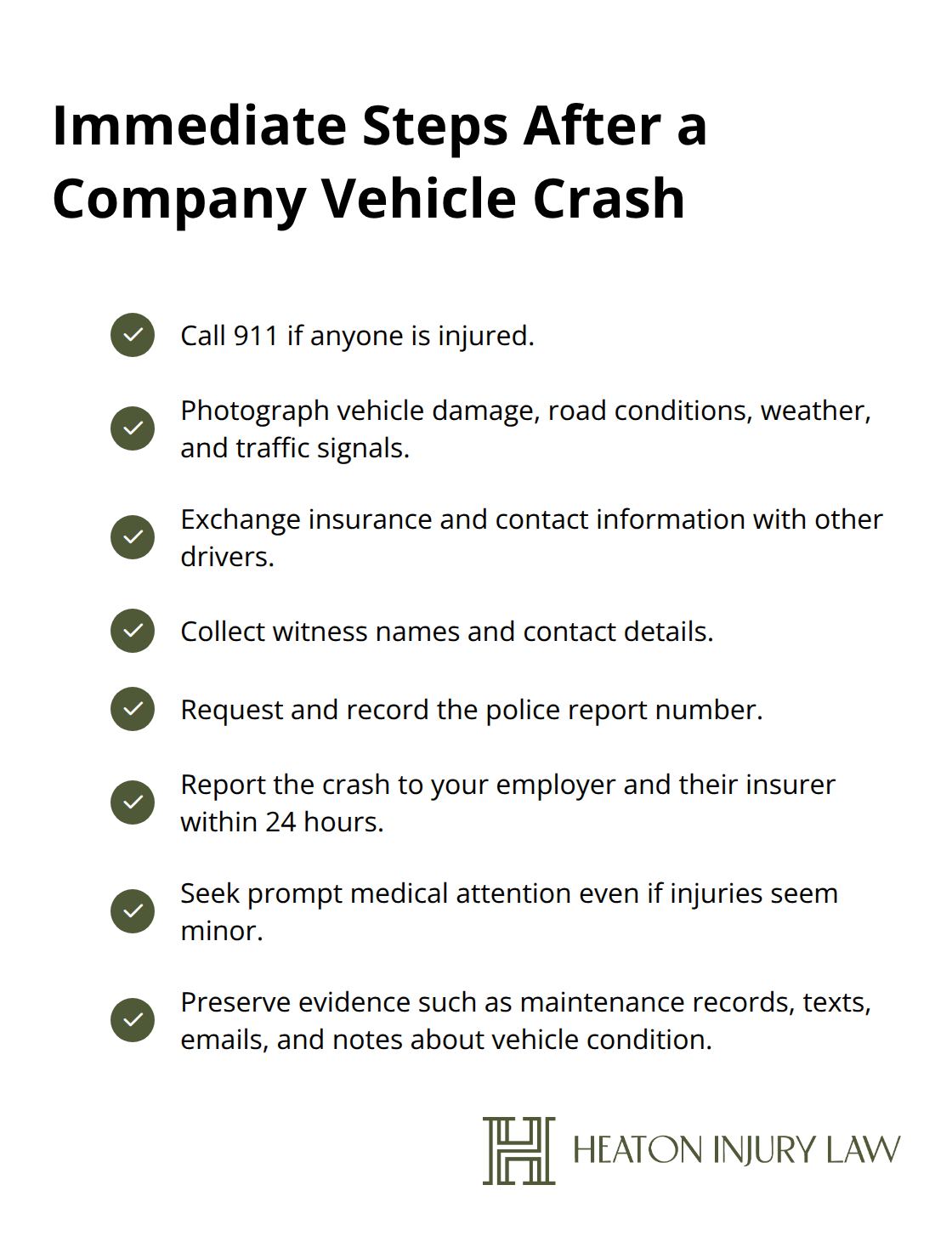
Report the accident to your employer and their insurance company within 24 hours, emphasizing that you were using the vehicle for work purposes. Seek medical attention even if injuries seem minor, since some conditions develop over days or weeks and medical records form the foundation for your claim. Preserve all evidence including maintenance records, text messages about work assignments, emails confirming business purpose, and any communications regarding vehicle condition concerns.
Contact a company vehicle crash attorney if you suffered significant injuries, if multiple parties share fault, or if your employer’s negligence contributed to the crash. At Heaton Injury Law, PLLC, we handle workplace injuries including company vehicle crashes, and we work on contingency so you pay nothing unless we recover compensation for you. Reach out to discuss your situation and learn what protections apply to your specific circumstances.
The information provided in this blog is for general informational purposes only and does not constitute legal advice. Every case is unique, and laws may vary by jurisdiction. Reading this content does not create an attorney-client relationship. For guidance specific to your situation, please consult with a qualified personal injury attorney licensed in Texas.
Artificial intelligence may have been used to assist in generating some text or images in these articles.