

Meredythe | October 19, 2026 | Blog

Losing a loved one to someone else’s negligence changes everything. The financial burden, emotional pain, and unanswered questions can feel overwhelming for families navigating this tragedy.
A wrongful death Texas attorney helps families understand their legal rights and pursue the compensation they deserve. We at Heaton Injury Law, PLLC guide grieving families through every step of the claims process with compassion and expertise.
What Constitutes Wrongful Death Under Texas Law
Texas law defines wrongful death as a death caused by the negligence, recklessness, or intentional act of another person. Texas Civil Practice and Remedies Code Section 71.001 sets the legal framework, stating that the responsible party’s conduct must directly cause the death and fall below the standard of reasonable care. This is not about accidents or unavoidable circumstances-it requires that someone failed to act responsibly and that failure led to death. The distinction matters because Texas courts scrutinize wrongful death claims carefully, and families need to understand that proving negligence requires showing the defendant owed a duty of care, breached that duty, and that breach directly caused the fatal injury.
Common Incidents That Trigger Wrongful Death Claims
Motor vehicle crashes represent the leading cause of wrongful death claims in Texas, with the Texas Department of Transportation reporting over 4,000 traffic fatalities annually. Medical malpractice, workplace accidents, defective products, and premises liability incidents like slip-and-falls also generate wrongful death claims regularly. When someone operates a vehicle while intoxicated, speeds excessively, or drives recklessly, they breach their duty to other road users.
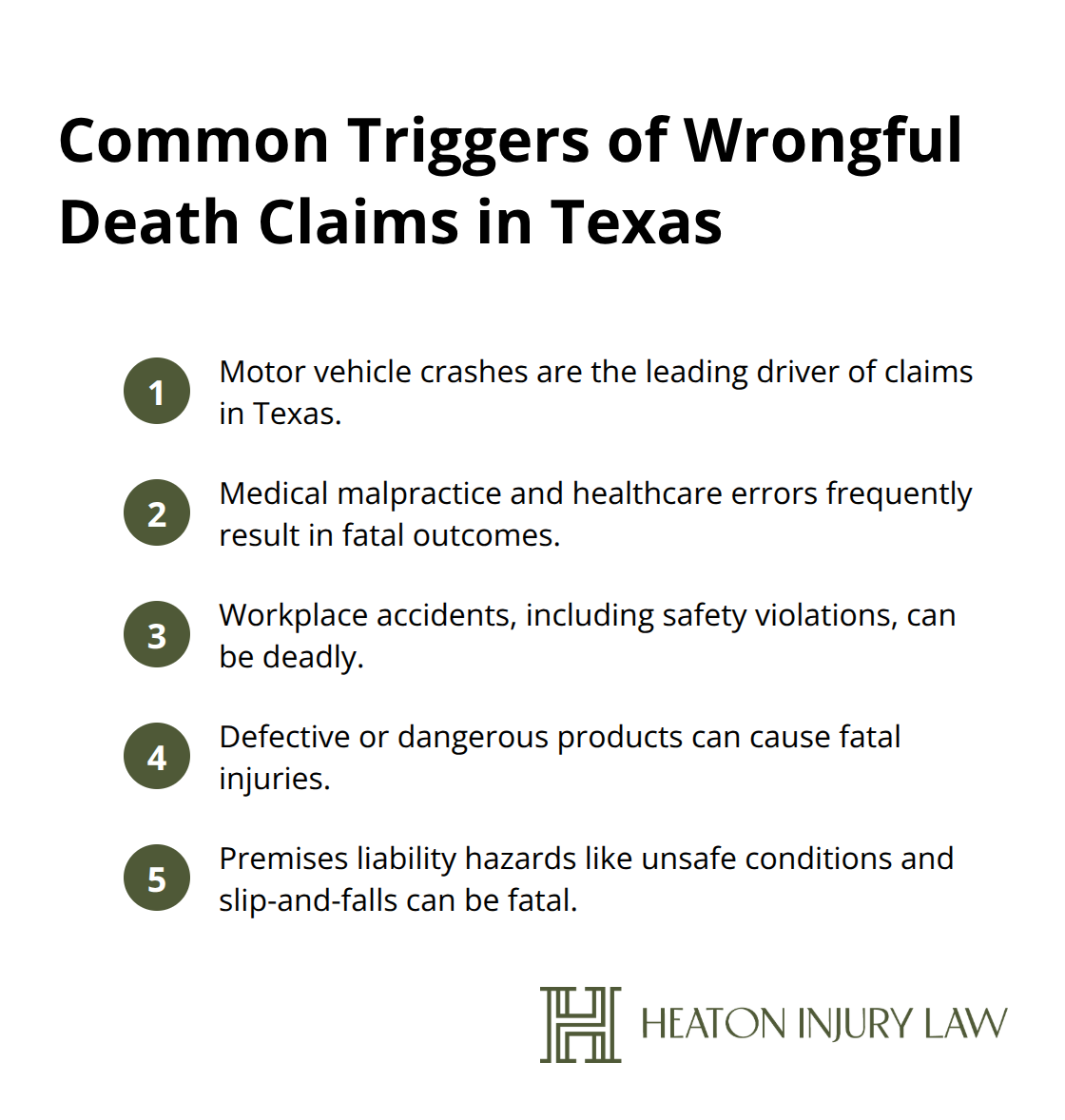
Similarly, a property owner who fails to address a dangerous condition that causes a visitor’s death, or an employer who ignores safety violations leading to a worker’s fatal injury, can face wrongful death liability.
Who Can File a Wrongful Death Claim in Texas
Texas law strictly limits who has standing to file a wrongful death claim. The surviving spouse, children, and parents of the deceased can pursue claims, but only in that order of priority. If the deceased was married, the spouse typically brings the claim on behalf of the estate and any minor children. If there is no surviving spouse, adult children can file. Parents can file only if the deceased had no spouse or children. This hierarchy matters because it determines who receives the settlement or judgment.
Critical Deadlines and Filing Requirements
The deadline to file is two years from the date of death under Texas law, though acting much sooner protects your case since evidence preservation and witness statements become harder to obtain as time passes. The claim itself must be filed in the county where the death occurred or where the defendant resides. One critical point: the deceased person cannot file a wrongful death claim themselves-only the surviving family members listed above have that right.
Understanding these eligibility rules and deadlines shapes your entire legal strategy. The next section explains the compensation available to families and how courts calculate damages in wrongful death cases.
What Compensation Can Your Family Recover
Texas courts award two primary categories of damages in wrongful death cases: economic damages that compensate for measurable financial losses and non-economic damages that address the immeasurable human cost of losing a loved one.
Economic Damages: Quantifiable Financial Losses
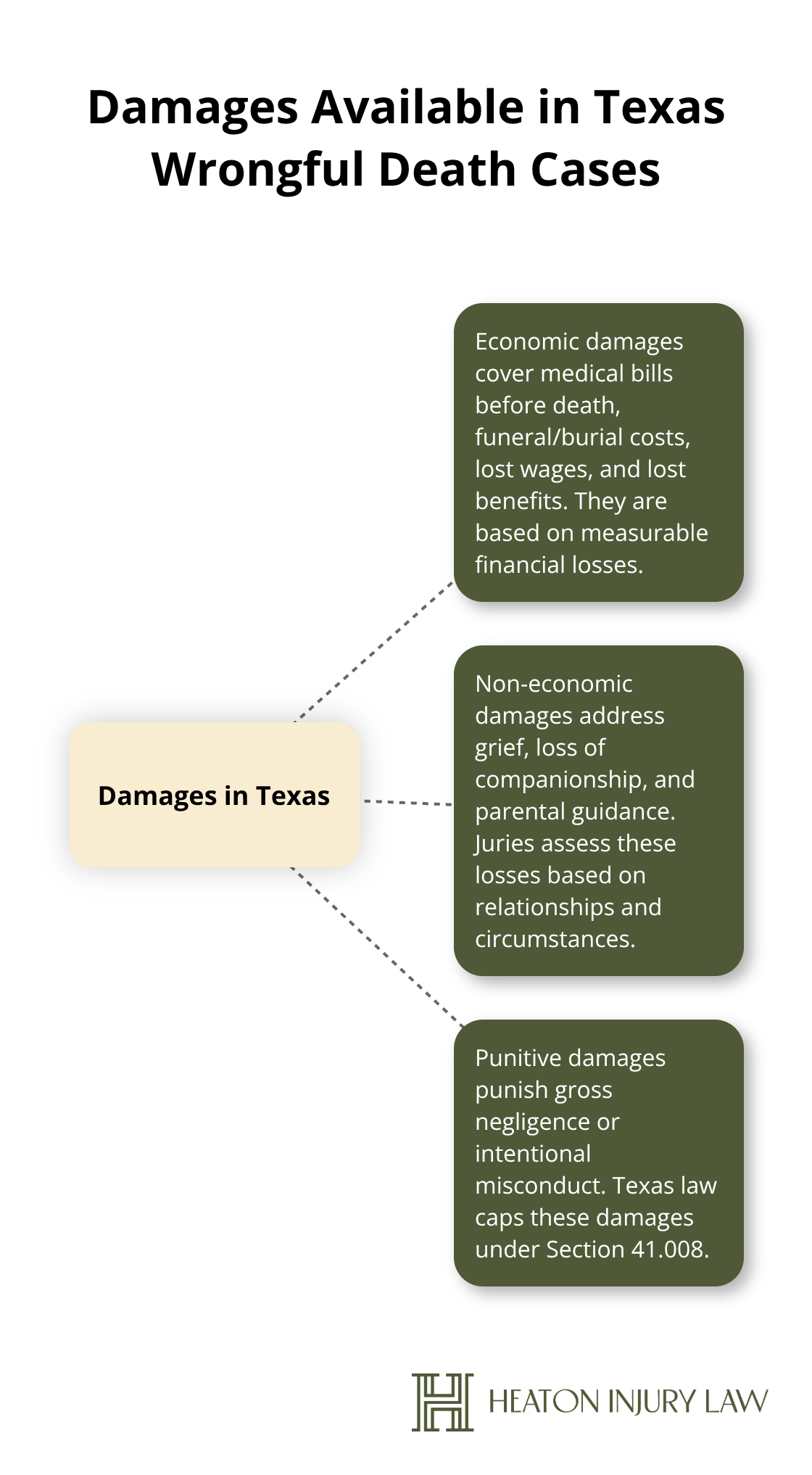
Economic damages include all medical expenses incurred before death, funeral and burial costs, lost wages the deceased would have earned, and lost benefits like health insurance or retirement contributions. The National Funeral Directors Association reports that the average funeral in 2024 costs between $7,000 and $12,000, and these expenses fall squarely within recoverable damages.
Courts calculate lost income by examining the deceased’s age, work history, earning capacity, and years remaining until retirement. A 35-year-old earning $60,000 annually who dies represents significantly more lost income than someone near retirement age. Medical bills from the fatal incident can reach hundreds of thousands of dollars, particularly in cases involving emergency care, hospitalization, or prolonged treatment before death occurred.
Non-Economic Damages: The Value of Loss and Companionship
Non-economic damages compensate families for grief, loss of companionship, loss of parental guidance, and the emotional devastation of losing someone irreplaceable. Texas courts recognize that a child loses a parent’s love and guidance, a spouse loses their partner, and parents lose their child-each loss has genuine monetary value in the eyes of the law.
Unlike economic damages tied to receipts and tax returns, non-economic damages depend on the jury’s assessment of what that relationship meant and what the family lost. A jury might award $500,000 to $2,000,000 or more in non-economic damages depending on the deceased’s age, the closeness of family relationships, and the circumstances of death.
Punitive Damages for Gross Negligence and Intentional Conduct
Punitive damages represent a third category available only when the defendant’s conduct was grossly negligent or intentional-not merely careless but so reckless it warrants punishment beyond compensating your family. A drunk driver causing a fatal crash, a company knowingly ignoring safety violations that killed a worker, or a manufacturer aware of a defect that caused death can trigger punitive damages.
Texas law caps punitive damages at the greater of $200,000 or twice the economic damages plus up to $750,000 in non-economic damages, according to Texas Civil Practice and Remedies Code Section 41.008. These additional damages send a message that such conduct will not be tolerated and help prevent future similar incidents by making wrongdoing financially consequential.
Understanding what compensation your family can recover shapes your approach to settlement negotiations and trial strategy. The claims process itself involves specific steps-from evidence collection to insurance company negotiations-that determine whether your family receives full compensation.
How Wrongful Death Claims Move Through Texas Courts
Collecting Evidence Immediately After Death
Wrongful death cases succeed or fail based on evidence collected in the first 30 days after death. Police reports contain officer observations, measurements, and citations that establish negligence directly. Medical examiner reports document the cause of death and any contributing factors. Photographs of the accident scene, vehicle damage patterns, and road conditions create visual proof of how the incident occurred. Witness statements taken early carry more weight than recollections gathered months later.
You must also request employment records showing the deceased’s earnings history, tax returns for the past three years, and medical bills from treatment before death. Insurance company investigators work fast to minimize liability, so your family must move faster. Defendants and their insurers immediately begin gathering evidence that favors their position, which means waiting costs families money and credibility. Memories fade and evidence deteriorates rapidly when families delay action.
Understanding Insurance Company Tactics
Insurance adjusters contact families claiming to settle quickly, but quick settlements favor insurers, not grieving families. Insurance companies typically offer 30 to 40 percent below what cases actually settle for when families have strong legal representation, according to data from the American Association for Justice.
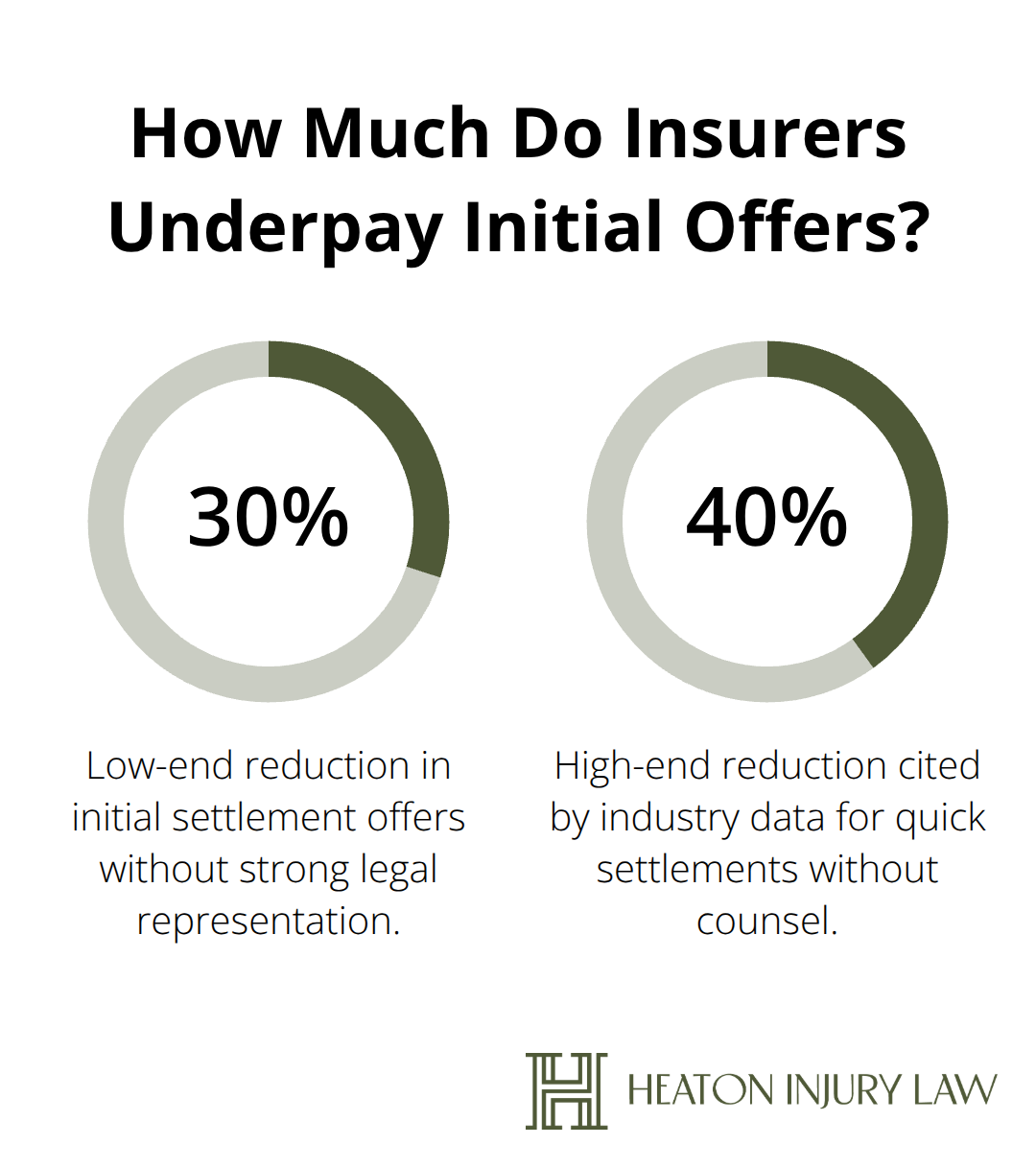
An adjuster’s first offer is rarely their best offer.
Insurers count on exhausted, grieving families to accept inadequate compensation out of desperation. Families who handle negotiations alone face significant disadvantages against professional adjusters trained to minimize payouts. An attorney handles all communications with insurers to prevent families from accepting settlements that fail to cover actual losses and future needs.
Navigating the Litigation Timeline
Wrongful death cases typically take 18 to 36 months from filing to resolution, depending on case complexity. During this period, your attorney exchanges documents with the defendant through discovery, takes depositions from witnesses and the defendant, files motions addressing legal issues, and attempts settlement negotiations before trial. Texas courts schedule trials based on docket availability, which means your case might wait 12 to 18 months after filing before reaching trial.
This timeline frustrates families understandably, but rushing settlement or accepting inadequate offers causes far greater long-term harm than waiting for fair compensation. The litigation process protects your family’s interests by forcing defendants to justify their actions and insurers to recognize the true value of your claim.
Final Thoughts
Losing a family member to someone else’s negligence demands aggressive legal advocacy to secure the compensation your family needs to move forward. The wrongful death claims process in Texas involves strict deadlines, technical requirements, and insurance companies working against your interests from day one. Families who navigate this alone face significant disadvantages against experienced adjusters and defense attorneys trained to minimize payouts.
We at Heaton Injury Law, PLLC understand the weight families carry after losing a loved one. Our team brings insider knowledge of how insurance companies operate and what tactics they use to undervalue claims, and we handle wrongful death cases with the same intensity we bring to all serious injuries. Your first step is contacting a wrongful death Texas attorney immediately, since the two-year filing deadline passes faster than most families expect and evidence disappears as months pass.
We work on contingency, meaning you pay nothing unless we recover compensation for your family. We handle all communication with insurance companies, manage the discovery process, and prepare your case for trial if settlement negotiations fail. Contact us at Heaton Injury Law, PLLC to discuss your wrongful death claim-your family deserves representation that fights for full compensation, not partial settlements designed to benefit insurers.
The information provided in this blog is for general informational purposes only and does not constitute legal advice. Every case is unique, and laws may vary by jurisdiction. Reading this content does not create an attorney-client relationship. For guidance specific to your situation, please consult with a qualified personal injury attorney licensed in Texas.
Artificial intelligence may have been used to assist in generating some text or images in these articles.